
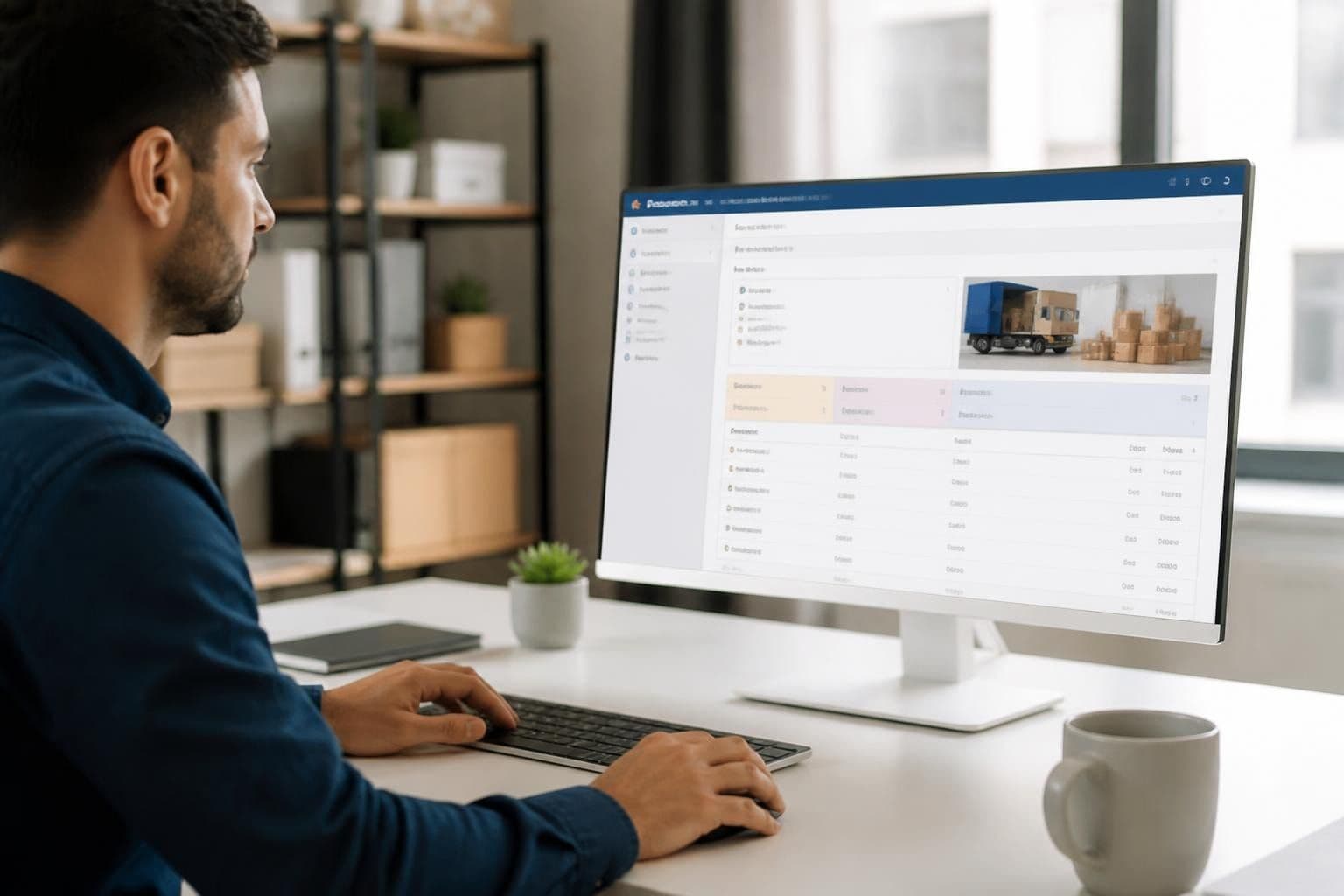
Moving Estimate Software: A Complete 2026 Guide
Discover how moving estimate software transforms operations, increases accuracy, and drives customer satisfaction for modern moving companies.
The moving industry has experienced a technological revolution over the past few years, and one of the most significant changes involves how companies generate and deliver estimates to potential customers. Moving estimate software has transformed this critical business function from a time-consuming manual process into a streamlined digital operation that benefits both moving companies and their clients. This technology enables businesses to create accurate quotes faster, reduce pricing errors, and provide a professional customer experience that builds trust from the first interaction.
The Evolution of Moving Estimates
Traditional moving estimates required estimators to visit homes, manually inventory items, calculate volumes, and then return to the office to prepare paperwork. This process could take days and often resulted in inconsistencies between different estimators within the same company.
Modern moving estimate software eliminates these bottlenecks by digitizing the entire workflow. Estimators can now use tablets or smartphones to capture inventory data on-site, instantly calculate pricing based on predefined parameters, and email professional proposals to customers before leaving the property.
The shift toward digital solutions reflects broader trends reshaping the moving industry in 2026, including increased customer expectations for speed, transparency, and convenience. Companies that have adopted these technologies report significant improvements in conversion rates and operational efficiency.

Core Features That Define Quality Software
Not all moving estimate software platforms offer the same capabilities. Understanding which features matter most helps companies make informed investment decisions.
Automated Pricing Calculations
The foundation of any effective platform is its ability to automatically calculate prices based on multiple variables. Quality software considers:
- Distance and location factors including fuel surcharges and geographic pricing zones
- Labor requirements based on item counts, weights, and accessibility challenges
- Seasonal adjustments that account for peak and off-peak demand periods
- Special handling fees for pianos, antiques, and fragile items
- Packing service costs differentiated by full-service, partial, or self-pack options
How moving pricing software automates these complex calculations ensures consistency across your entire sales team while reducing the margin for human error.
Digital Inventory Management
Modern customers expect detailed documentation of their belongings. Moving estimate software should enable estimators to:
- Create room-by-room inventories using mobile devices
- Attach photos to specific items for visual reference
- Tag items with condition notes and special handling requirements
- Calculate cubic feet or weight automatically based on item selections
- Export inventories in multiple formats for customer review
This digital approach creates transparency that protects both the moving company and the customer in case of disputes.
Integration Capabilities
Software that operates in isolation creates data silos and duplicate work. The best platforms integrate seamlessly with:
Companies using integrated systems report significant time savings by eliminating manual data entry across multiple platforms.
Virtual Estimates and Remote Assessment Tools
The COVID-19 pandemic accelerated the adoption of virtual estimate capabilities, and this trend continues to grow in 2026. Virtual estimates are redefining how moving companies interact with customers by offering safer, more convenient alternatives to in-person visits.
Quality moving estimate software now includes:
- Video survey functionality allowing estimators to conduct virtual walk-throughs
- Customer self-service tools where clients photograph and catalog their belongings
- AI-powered volume estimation that analyzes images to predict truck space requirements
- Real-time collaboration features enabling customers and estimators to review inventories together
Virtual estimates reduce the time investment for both parties while expanding your service area beyond geographic limitations. A company can provide estimates to customers hundreds of miles away without sending an estimator on a multi-hour drive.
Balancing Virtual and In-Person Options
While virtual technology offers convenience, some moves require physical assessments. Software should support both approaches, allowing estimators to:
- Start with a virtual estimate for initial pricing
- Flag complex moves requiring in-person visits
- Combine virtual and physical assessments for large estates
- Document customer preferences for future reference
This flexibility ensures you can serve different customer segments while optimizing estimator time.
Accuracy and Reputation Management
The relationship between estimate accuracy and business success cannot be overstated. Accurate estimates are crucial for maintaining a moving company's reputation and directly impact customer satisfaction, online reviews, and repeat business.
Moving estimate software improves accuracy through:
- Historical data analysis that identifies patterns in similar moves
- Standardized item databases ensuring consistent volume calculations
- Built-in quality checks that flag unusual or potentially incorrect entries
- Version control tracking estimate revisions and approval workflows
When estimates closely match final invoices, customers perceive your company as honest and professional. This trust translates into positive reviews, referrals, and higher booking rates.

Common Accuracy Pitfalls to Avoid
Even with software, certain practices undermine estimate precision:
- Rushing through inventories without thorough walkthroughs
- Failing to update software databases with current pricing
- Ignoring special circumstances like multiple flights of stairs
- Over-promising expedited timelines to win business
- Neglecting to confirm access details at origin and destination
Understanding how to get accurate moving company estimates requires both proper technology and disciplined processes.
Mobile Functionality and Field Operations
Estimators spend most of their time away from the office, making mobile capabilities essential. Modern moving estimate software must function seamlessly on smartphones and tablets with:
Offline Operation
Internet connectivity varies across service areas. Quality platforms allow estimators to:
- Complete entire estimates without internet access
- Store data locally until connectivity resumes
- Sync automatically when connection is restored
- Prevent data loss during network interruptions
This reliability ensures estimators remain productive regardless of location.
User Interface Optimization
Mobile screens require different design approaches than desktop interfaces. Effective software features:
- Large, touch-friendly buttons and input fields
- Streamlined workflows minimizing required taps
- Voice-to-text capabilities for quick note entry
- Barcode scanning for rapid item identification
- Photo capture with automatic attachment to inventory items
Time spent fumbling with poorly designed mobile interfaces frustrates estimators and extends appointment durations unnecessarily.
Customer-Facing Features and Experience
The estimate presentation significantly influences booking decisions. Moving estimate software should enhance the customer experience through:
Professional proposal documents that include company branding, detailed pricing breakdowns, terms and conditions, and clear next steps. These documents reflect your business's professionalism and attention to detail.
Multiple delivery options allowing customers to receive estimates via email, text message, customer portals, or printed copies during in-person visits.
Interactive elements such as clickable item inventories, adjustable service selections, and instant pricing updates when customers modify their requirements.
Digital signature capabilities that eliminate printing, signing, and scanning delays. Customers can review and accept estimates from any device, accelerating the booking process.
Getting the right moving estimate involves understanding what information to provide and how to evaluate proposals, and your software should make this process intuitive for customers.
Artificial Intelligence and Machine Learning
AI integration represents the cutting edge of moving estimate software development. These technologies offer capabilities that were impossible just a few years ago.
Intelligent Item Recognition
Advanced platforms now use image recognition to identify furniture and household items automatically. Estimators simply photograph a room, and the software:
- Identifies individual items within the image
- Estimates dimensions and volumes
- Suggests appropriate packing materials
- Adds items to the inventory with minimal manual input
This technology dramatically reduces estimate completion time while improving consistency.
Predictive Analytics
AI-powered systems enhance estimate accuracy by analyzing thousands of completed moves to identify patterns. The software can predict:
- Likely additional services customers will purchase
- Realistic completion timeframes based on similar jobs
- Potential challenges based on property characteristics
- Optimal crew size and equipment requirements
These insights help companies create more accurate estimates while identifying upsell opportunities.
Natural Language Processing
Some platforms incorporate chatbots and virtual assistants that interact with customers using natural conversation. These tools can:
- Answer common questions about services and pricing
- Collect preliminary information before estimator involvement
- Schedule estimate appointments automatically
- Follow up with customers who haven't responded to proposals
This automation frees human staff to focus on complex customer interactions requiring personal attention.

Selecting the Right Platform for Your Business
Choosing the best moving company software requires evaluating your specific business needs against available options.
Assessment Framework
Implementation Considerations
Successful software adoption requires more than just purchasing a subscription. Companies should plan for:
- Staff training sessions ensuring all estimators understand the system
- Data migration from existing tools or spreadsheets
- Process documentation establishing standardized workflows
- Performance monitoring tracking adoption rates and identifying problems
- Continuous improvement regularly updating templates and pricing rules
The most sophisticated software delivers poor results without proper implementation and ongoing management.
Pricing Models and Return on Investment
Moving estimate software typically follows one of several pricing structures:
Per-user monthly subscriptions charging a fixed fee for each estimator or administrator. This model offers predictable costs and typically ranges from $50 to $200 per user monthly.
Job-based pricing where companies pay per estimate generated or move completed. This approach aligns costs with business volume but can become expensive during busy seasons.
Enterprise licensing providing unlimited users and estimates for a flat annual fee. Larger companies often find this the most economical option.
Calculating ROI
Investment justification should consider multiple factors:
- Time saved per estimate multiplied by estimator hourly costs
- Increased conversion rates from faster, more professional proposals
- Reduced pricing errors preventing revenue leakage
- Eliminated printing and paper costs
- Improved capacity allowing estimators to handle more appointments
Most companies report positive ROI within three to six months of implementation, with benefits accelerating as staff proficiency increases.
Compliance and Documentation Requirements
Moving companies face various regulatory requirements that quality estimate software helps satisfy. Important compliance features include:
Tariff enforcement ensuring estimates comply with published rates and regulatory requirements. The software should prevent estimators from offering unauthorized discounts or creating estimates that violate interstate commerce regulations.
Documentation retention automatically archiving estimates, inventories, and customer communications for the required retention periods. This protects companies during audits or legal disputes.
Disclosure requirements incorporating mandatory consumer information into estimate documents, including arbitration clauses, liability coverage explanations, and customer rights statements.
Audit trails tracking who created or modified estimates, when changes occurred, and what was altered. This accountability protects both the company and customers.
Avoiding scams and misunderstandings requires transparency that properly configured software facilitates automatically.
Integration with Broader Business Operations
Moving estimate software delivers maximum value when integrated within comprehensive operational systems. Platforms from the Movers Inventory ecosystem demonstrate how digital inventory management extends beyond initial estimates into job execution, customer communication, and post-move follow-up.
Effective integration creates workflows where:
- Estimate data automatically converts to job orders upon customer acceptance
- Inventory information transfers to crew mobile apps for loading verification
- Customer portals provide real-time job status updates
- Billing systems generate invoices matching original estimates
- Customer relationship tools trigger review requests and satisfaction surveys
This seamless data flow eliminates redundant entry, reduces errors, and creates superior customer experiences throughout the entire moving journey.
Training and Change Management
Technology adoption fails without proper change management. Successful implementations include:
Structured Training Programs
- Initial onboarding sessions covering basic functionality
- Advanced workshops exploring efficiency features and shortcuts
- Role-specific training tailored to estimators, dispatchers, and administrators
- Refresher courses introducing new features and reinforcing best practices
Performance Monitoring
Track metrics including:
- Estimate completion times before and after software adoption
- Conversion rates from estimate to booked job
- Accuracy rates comparing estimates to final invoices
- Customer satisfaction scores related to estimate professionalism
- System adoption rates across different estimators
Regular review of these metrics identifies training gaps and process improvement opportunities.
Future Trends Shaping the Technology
The moving estimate software landscape continues evolving rapidly. Emerging trends include:
Augmented reality integration allowing customers to visualize how furniture fits in new spaces during virtual estimates. This technology helps customers make decisions about what to move versus sell or donate.
Blockchain-based contracts creating immutable records of estimate agreements and protecting both parties from disputes about original terms.
IoT sensor integration where smart home devices provide automatic room measurements and item inventories, further reducing manual data collection.
Advanced weather integration automatically adjusting estimates based on forecasted conditions during move dates, accounting for potential delays or additional protective materials.
Sustainability tracking calculating and displaying the environmental impact of moves, appealing to environmentally conscious customers and supporting corporate sustainability initiatives.
Companies that stay current with these developments maintain competitive advantages in increasingly sophisticated markets.
---
Moving estimate software has become an essential tool for companies seeking to compete effectively in 2026's digital marketplace. The right platform improves accuracy, accelerates sales cycles, and enhances customer experiences while reducing operational costs. Whether you're evaluating solutions for the first time or considering an upgrade, focusing on integration capabilities, mobile functionality, and AI-enhanced features positions your business for long-term success. Movers Inventory provides the digital inventory management foundation that modern moving companies need to create accurate estimates, track jobs efficiently, and deliver exceptional customer service while reducing paperwork and saving valuable time.